
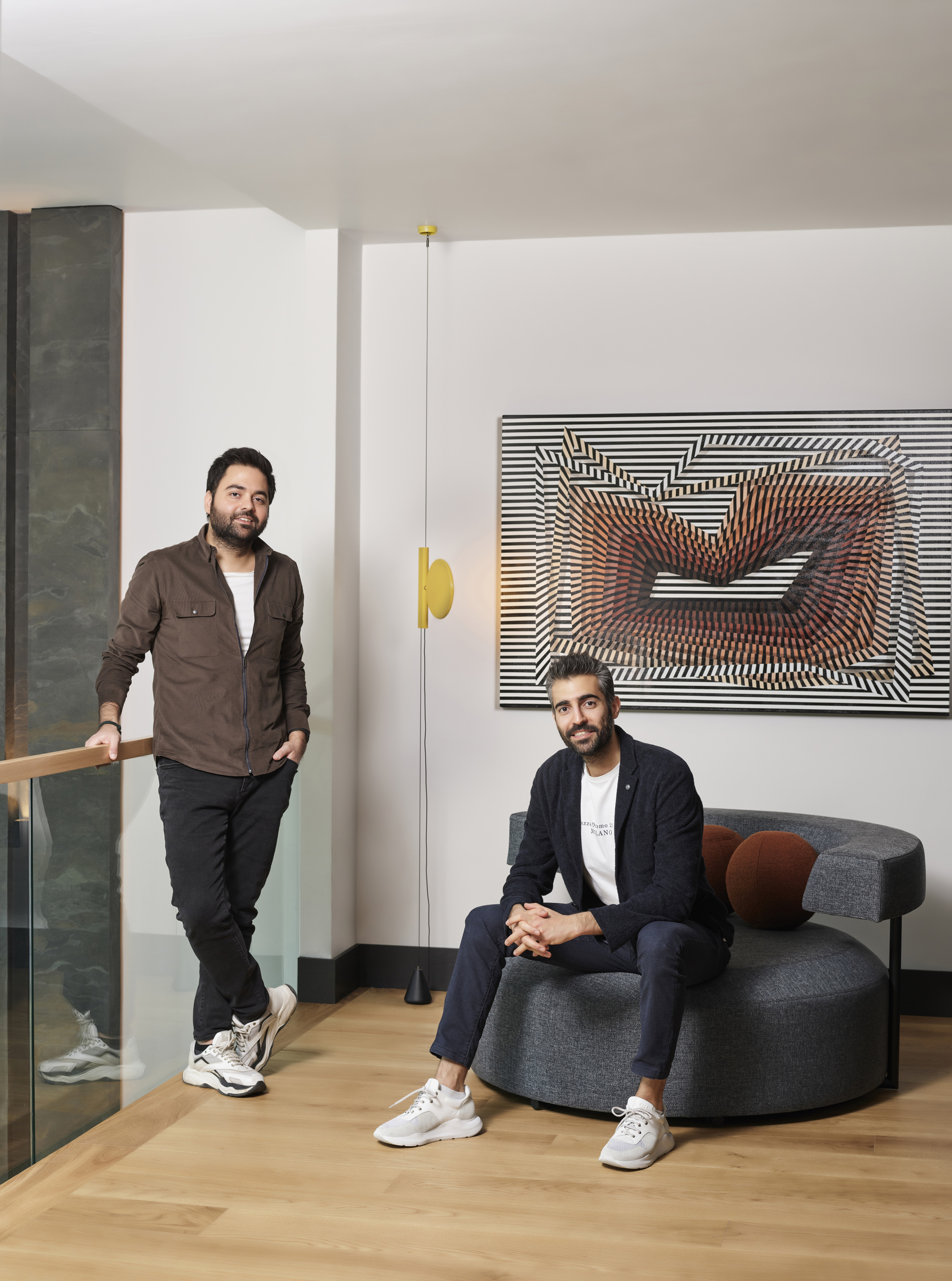
Can you tell us about Pimodek Architecture?
Ömer Hamulu: Founded in 1982 by Architect Hasan Basri Hamulu, Pimodek Architecture is an Istanbul-based practice operating across both design and construction. Our work spans a wide range of scales and typologies, from residential, office, commercial, and hospitality projects to restoration and urban design. Today, together with my brother Erdem Hamulu, we continue the practice as its second-generation architects, building upon this legacy while shaping its future trajectory.
How would you define Pimodek’s architectural approach? Which principles consistently guide your design process?
Erdem Hamulu: We approach architecture not simply as the production of built form, but as a layered and holistic process shaped by user experience, context, and spatial perception. Reading the cultural and physical context with precision, articulating functional requirements with clarity, and fostering a meaningful relationship between space and user are central to our process. Across different scales, we are committed to developing a refined and enduring architectural language—one that carefully negotiates the dialogue between detail and the whole.
How do you position the use of natural stone across your residential, public, and commercial projects?
Ömer Hamulu: Rather than treating natural stone as a fixed component of a predefined architectural language, we consider it a material that responds to the specific context and character of each project. The surrounding environment, program, and architectural intent all inform how stone is employed. In residential projects, it often lends continuity, textural depth, and a sense of timelessness; in public and commercial settings, it can contribute to a more robust and expressive surface language. For us, natural stone is not merely a cladding material, but an integral part of the architectural composition—one that actively participates in shaping the spatial narrative.
What role does material—particularly natural stone—play in your design language? How does it inform your decisions?
Erdem Hamulu: Material is a primary driver in shaping both spatial organization and atmosphere. As such, we engage with material decisions from the early stages of the design process, treating them as key determinants of a space’s character. Natural stone, with its inherent texture and longevity, occupies a distinctive position within this framework. It introduces both physical and perceptual depth, while also establishing a calm yet powerful backdrop within the architectural composition.
How do you balance performance, cost, and environmental impact when selecting natural stone?
Ömer Hamulu: The decision to use natural stone—and the choice of which stone to use—involves a multi-layered evaluation. Beyond its suitability for the intended function, surface qualities, and aesthetic attributes, factors such as origin, quarry, logistics, and supply costs play a significant role. We continuously assess the value these parameters bring to the project, and when necessary, explore more efficient alternatives. Locality is also a defining factor in our decision-making process.
From an environmental perspective, we adopt a holistic view, considering the material’s entire life cycle—from extraction and processing to transportation and installation—rather than focusing solely on its end use.
How do you use stone as a means of expression in spatial design? How do qualities such as texture, color, and scale come into play?
Erdem Hamulu: Our material choices are filtered through a carefully constructed cause-and-effect framework. Stone is a highly versatile material capable of shaping strong spatial atmospheres. However, without the right technical approach, detailing, and sensitivity to surface and scale, it can yield results contrary to the intended outcome. For this reason, when we work with natural stone as an expressive medium, our selection and detailing processes are significantly more rigorous and nuanced than those for many other materials.
What is essential in your design process for a space to gain “character” through natural stone?
Ömer Hamulu: For a space to acquire character through natural stone, the role of the material must first be clearly defined. It should be conceived not merely as a surface treatment, but as an element that reinforces spatial composition and imbues the space with identity. In this regard, its placement, scale, and interaction with light are just as critical as its color and texture. A balanced approach that reveals the stone’s intrinsic qualities allows its contribution to the spatial character to emerge with greater clarity and impact.
How can you enrich the relationship between the user and the space using natural stone?
Erdem Hamulu: Owing to its tactile and material qualities, natural stone has a unique capacity to establish a direct and meaningful connection between user and space. Its surface character can evoke a sensory experience through touch, making it particularly effective in areas of direct interaction. We often prioritize its use on such surfaces, where it can deepen the spatial experience and reinforce the atmosphere. A design approach that preserves the material’s authenticity fosters a more intimate and lasting bond between the user and the environment.
What future trends do you foresee in the use of natural stone? How do you view the role of architecture in this context?
Ömer Hamulu: There is a growing inclination in contemporary architecture toward natural, long-lasting materials, and natural stone continues to hold a significant place within this shift. As sustainability becomes an increasingly central concern, materials that are both durable and rooted in natural processes gain further relevance.
At the same time, advancements in production and fabrication technologies are expanding the possibilities of natural stone, enabling its use across a wider range of scales and applications. Thinner sections, innovative surface treatments, and new construction techniques allow the material to transcend its traditional boundaries and become part of a more contemporary architectural language. In this context, we see the role of architecture as reinterpreting natural stone through current design paradigms while preserving its inherent character—strengthening its relationship with context, encouraging local sourcing, and contributing to the creation of enduring spaces.
Could you briefly share Pimodek’s plans and outlook?
Erdem Hamulu: Pimodek is driven by a continuous ambition to produce more refined and meaningful work. With over four decades of experience, we aim to create projects that engage broader audiences, respond sensitively to their environment, and serve as references for future workspaces and structures that are at once visionary and grounded.
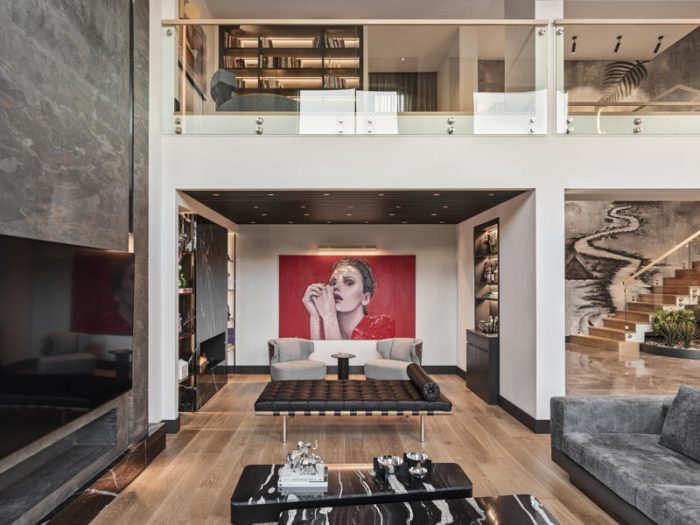
VURAL HOUSE
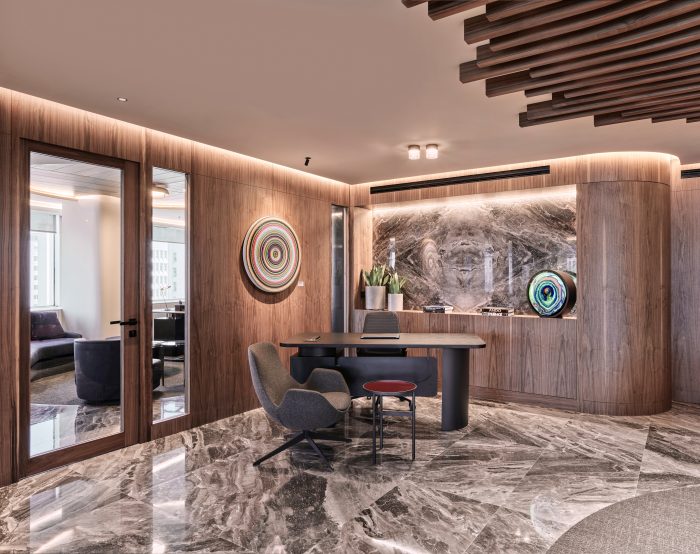
VENTURES ADMINISTRATION BUILDING
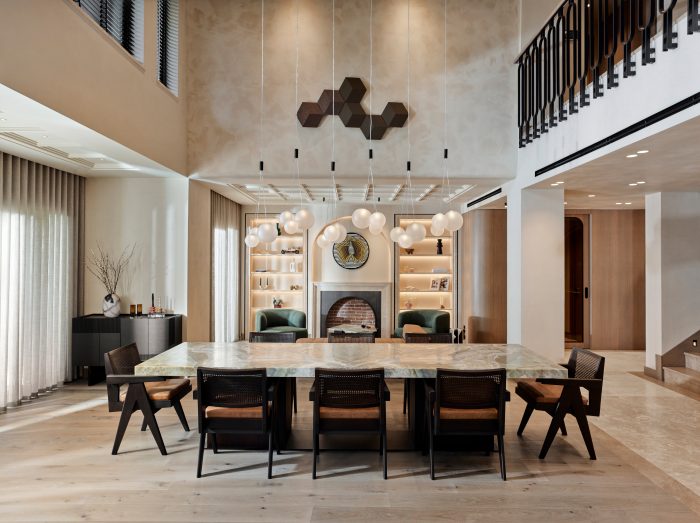
ARAZ HOUSE
