
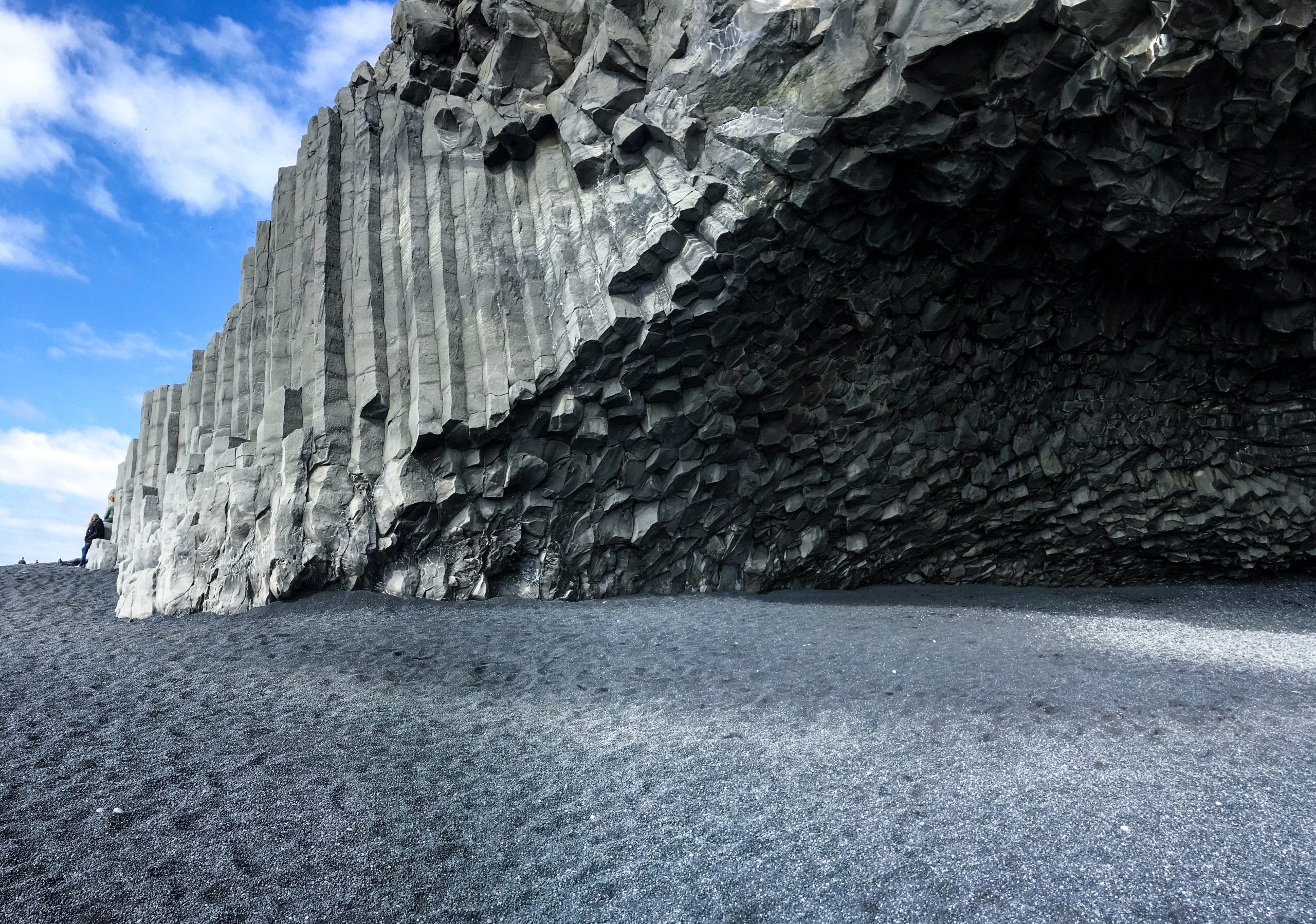
Volcanic stones, particularly andesite and basalt, are among the most durable and versatile natural materials used in construction and design. Formed from rapidly cooled lava, these stones are abundant in Turkey, especially in regions with high volcanic activity such as Central Anatolia and Eastern Anatolia. Their dense structure and resistance to weathering make them ideal for outdoor applications, where both longevity and aesthetic appeal are essential. Quarrying these stones involves careful extraction using controlled cutting techniques to ensure the blocks remain intact and maintain their natural texture.
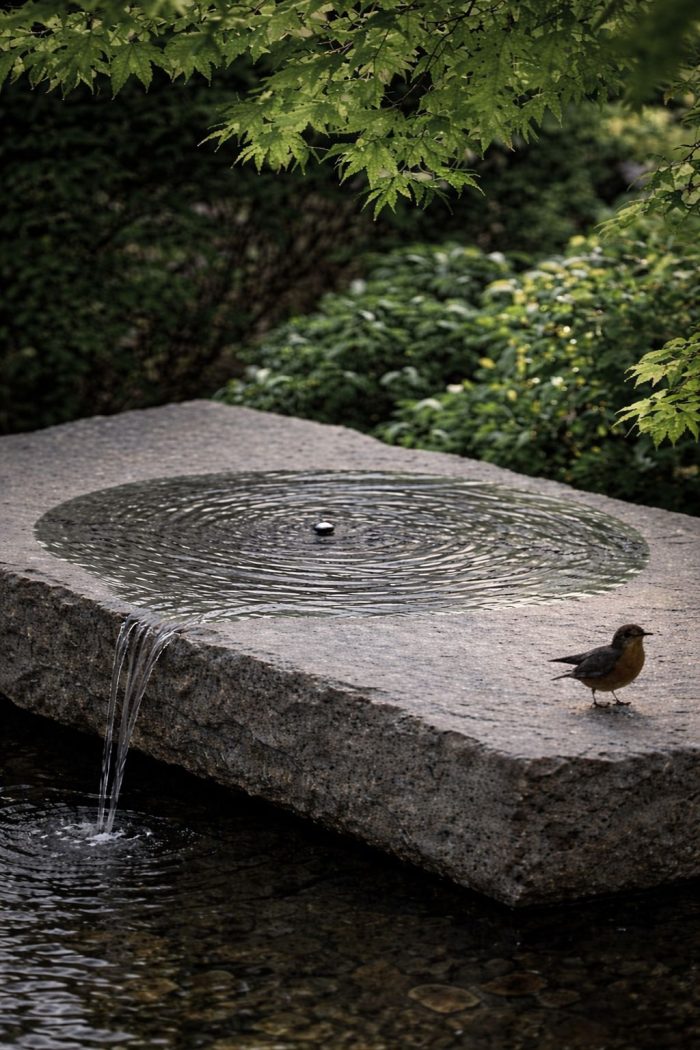
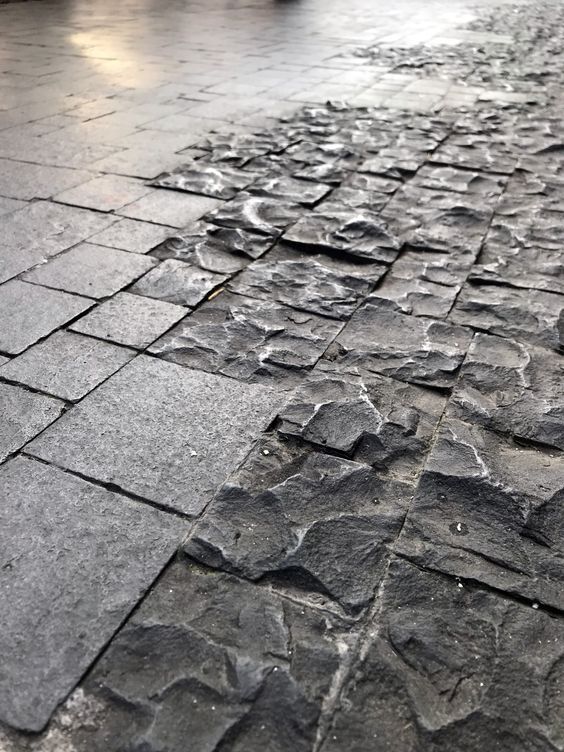
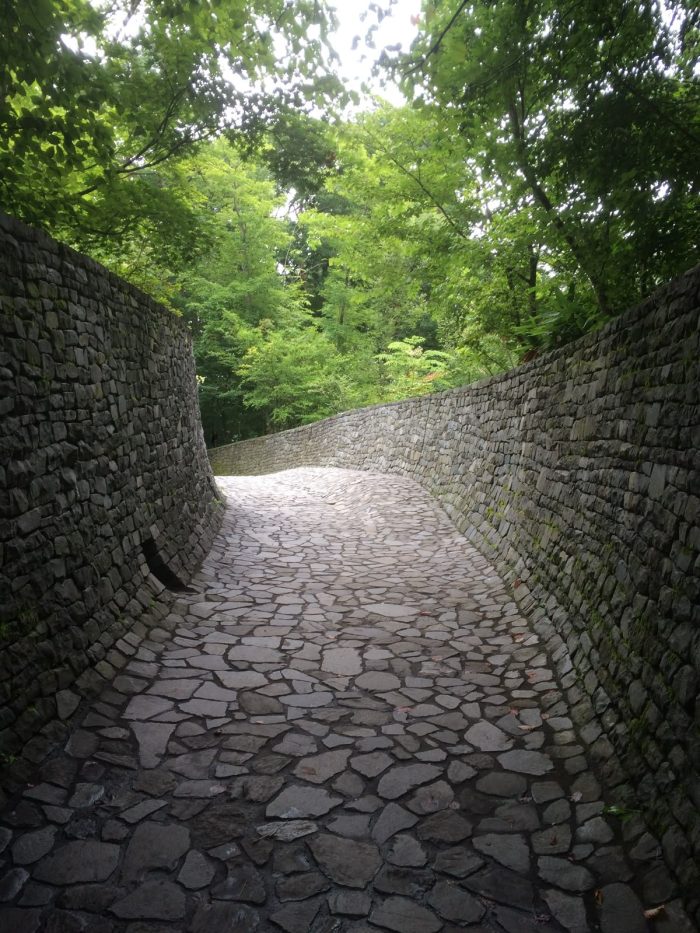
Once extracted, andesite and basalt are processed in factories to produce slabs, pavers, or decorative blocks suitable for various architectural applications. The stones can be polished, honed, or left in their natural rough finish, depending on the design requirements. Their dark, uniform colors and rugged textures allow architects and landscape designers to create striking contrasts with lighter materials, enhancing both modern and traditional designs. In addition, their thermal and mechanical properties make them highly suitable for high-traffic areas, offering durability without compromising aesthetics.
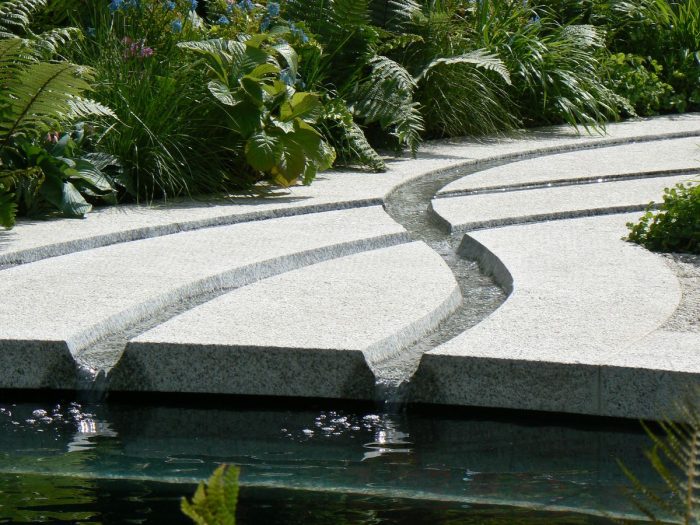
In urban and public spaces, volcanic stones are commonly used for paving plazas, walkways, and outdoor seating areas. They also play a prominent role in landscaping projects, such as garden pathways, retaining walls, and decorative rock features. By combining functional performance with visual impact, andesite and basalt help transform public areas into durable, visually cohesive environments. These volcanic stones exemplify how natural materials can bridge the gap between engineering performance and architectural beauty, making them an enduring choice for contemporary design.