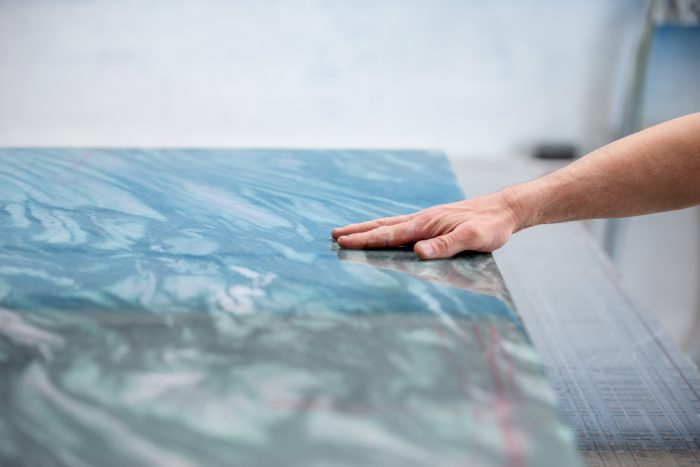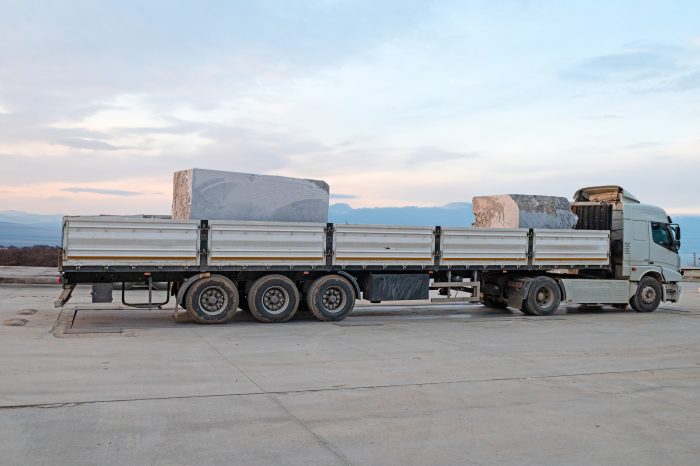
Holding 40% of the world’s natural stone reserves, Turkey is not only a country rich in resources but also a central figure in the cultural and aesthetic journey of stone. With nearly 650 different varieties—ranging from marble, travertine, and limestone to granite—these lands have long inspired civilizations throughout history. From the grandeur of Roman architecture to modern-day designs, marble has remained a symbol of luxury and refined taste.
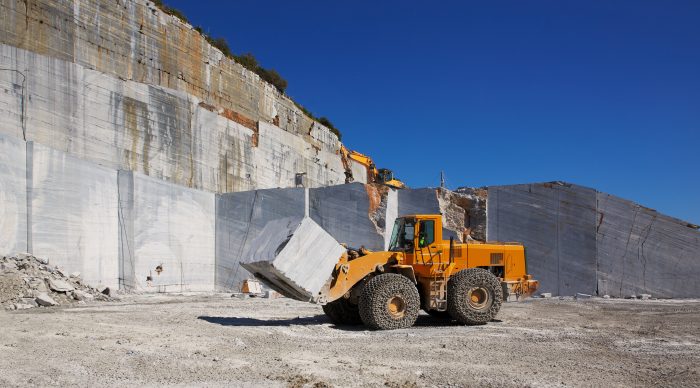
Some ancient quarries, dating back as far as 2000 BC, are still active today. Marble is more than just a building material; it is a cultural memory embedded in the very identity of Anatolia. From Marmara Island to Milas, from Elazığ to Marmaris, many settlements have derived their names and character from this precious stone. While stones like Anatolian Beige, Black, and White dominate international markets with their variety of patterns and colors, signature marbles such as Elazığ Cherry and Milas Lilac reflect Turkey’s unique geological heritage.
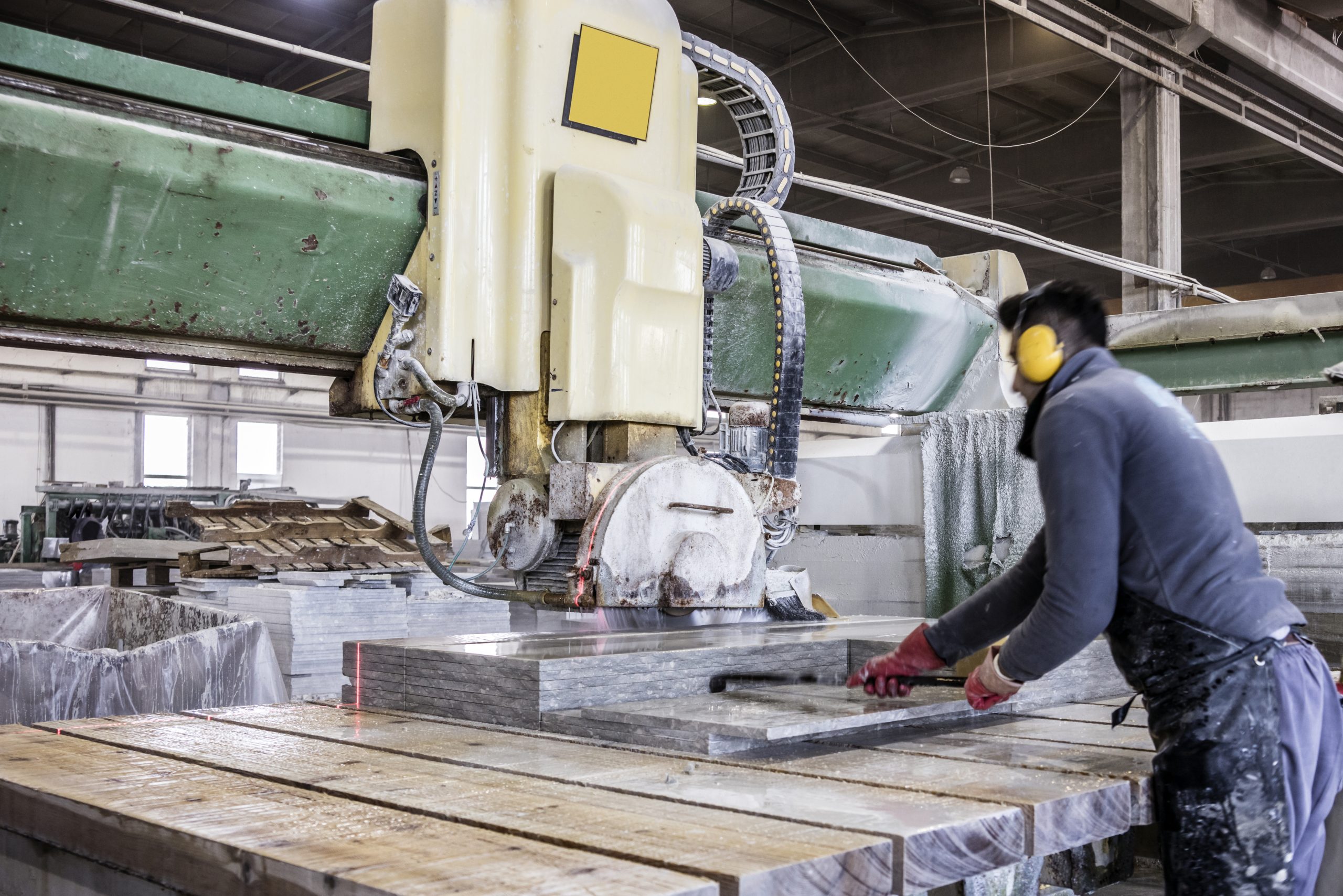
With the advancements of Turkish natural stone machinery manufacturers, marble can now be crafted into precise designs far beyond its traditional heavy blocks—appearing in everything from decorative car interiors to sleek architectural finishes. With an export volume of $1.8 billion, Turkey today stands as the world’s leading exporter of marble and travertine, carrying the timeless journey of stone into the future through a blend of heritage and innovation.
Author;
Simay Sevimbige
M.Sc. Interior Architect / PhD Candidate