
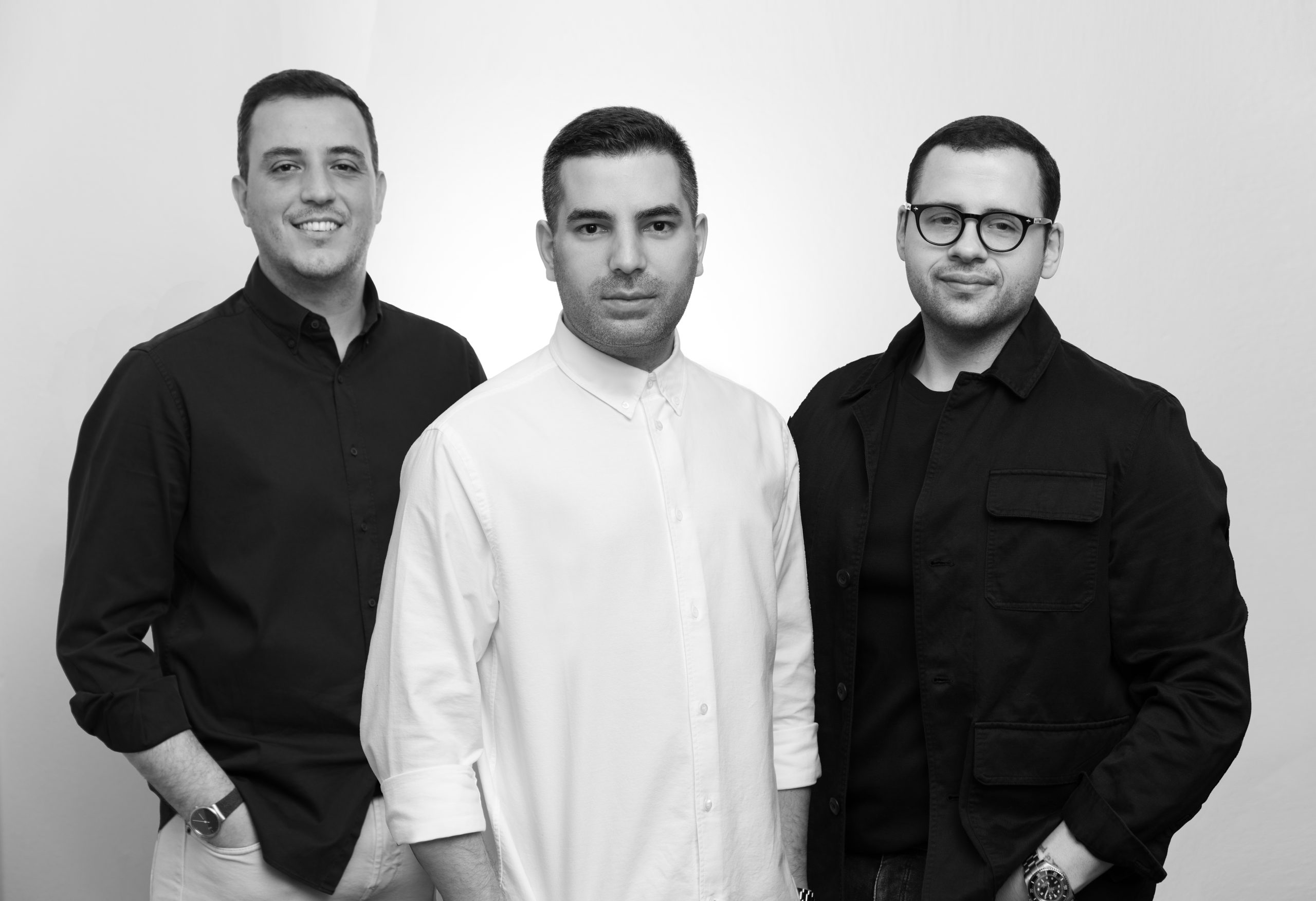
Blending architecture, interiors, and branding, Wangan Studio builds spaces where material becomes narrative. By uniting architecture, interior design, and material intelligence, Wangan Studio creates spaces that speak through experience rather than form alone. We interviewed with Wangan Studio on their experience-oriented design approach, multidisciplinary practice, and the role of natural stone in architecture, interiors, and product design.
Wangan was founded by three partners. What were the core values that brought you together during the founding phase, and how are these values reflected in the studio’s vision today?
Wangan was founded through the convergence of three different areas of expertise around a single design language. The core value that brought us together at the founding stage was the idea of approaching design not merely as a physical output, but as a holistic experience. We believed that thinking at the scale of architecture, interior design, product design, and branding could not be separated.
Today, this approach has become the main axis shaping Wangan’s vision: approaching every project by placing its context, narrative, and user experience at the center.
As a studio that emphasizes “experience-oriented design,” what methods do you use to place user experience at the core of your work?
We always begin the design process by asking how the space will feel. User scenarios, time spent in the space, and circulation are structured at an early stage. Decisions regarding plan layout, material selection, and lighting are evaluated not only through aesthetics but also through their psychological and sensory impacts.
For this reason, in Wangan projects, space is treated not merely as a functioning system, but as an experiential environment that establishes a connection with the user.
How does your multidisciplinary approach provide an advantage to your projects?
Addressing brand identity, spatial design, and product design together allows for the creation of a coherent and continuous language rather than a fragmented one. This multidimensional structure enables us to view projects simultaneously from different scales and disciplines, rather than from a single perspective.
As a result, we approach product details within architectural projects with architectural sensitivity, while in product design—despite the smaller scale—proportion, weight, spatial balance, and material relationships become defining elements. Actively producing across different disciplines helps our decisions mature at an earlier stage and contributes to achieving a holistic outcome.
In the Ara Güler Museum + Leica + Monochrome project, sustainability and local materials stand out. How important are these issues in your design approach?
We view sustainability not only as a technical requirement, but as an ethical design approach. The use of local materials is important both for reducing the carbon footprint and for establishing a strong relationship between the project and its context.
As in the Ara Güler Museum project, the origin of the material, its production process, and its longevity are integral parts of our design decisions.
How does your approach of “starting by writing the story” manifest itself in the design process?
In every project, we first define what the space wants to tell. This narrative guides all decisions—from material selection and spatial organization to detailing and lighting atmosphere.
The story does not remain an abstract concept; it becomes tangible through plan organization, mass relationships, and even user routes. In this way, the design process progresses with an intuitive yet consistent flow.
How do you define the role of massive natural stone in Smiles Premium Dental Clinic?
In Smiles, natural stone is not merely a surface material; it is the main architectural element that defines the space. Stone masses accommodate clinical functions while simultaneously establishing circulation and spatial hierarchy.
This choice was part of the narrative aiming to move the clinic away from a sterile environment toward a calmer, more reassuring, and timeless atmosphere.
How is stone selected in the Kaya Palazzo Ski Lounge, MONK, and Gina projects?
In stone selection, geography, context, and usage scenarios are as decisive as aesthetics. In each project, the color, texture, and processing of the stone are reinterpreted to create a distinct atmosphere.
We approach stone not as a fixed material, but as a narrative tool that gains character according to the project.
What is the place of Turkey’s natural stone potential in your design approach?
Turkey’s diversity of natural stone is a great asset for our design practice. We prefer these materials not only because they are local, but because they offer high quality, workability, and timelessness.
We position natural stone as a primary character element at both architectural and interior scales.
How do you evaluate the role of natural stone in your product designs?
In product design, natural stone creates a strong contrast through its durability and weight. In designs such as the Scandi Table and Capsule Coffee Table, we work on balance and tension by combining stone with materials like metal and wood.
The sourcing and workability of stone directly affect the production process; therefore, we maintain close communication with manufacturers during the design phase.
What are Wangan Studio’s goals for the coming years?
One of our main goals is to increase the number of projects in which we can consider architecture and interior design together with brand strategy from the very beginning.
We believe that space is not merely a physical design, but a structure that produces identity, narrative, and experience. For this reason, together with our strengthened Brand Studio, we focus on projects in which all layers—from brand positioning and verbal language to spatial experience, visual identity, and opening scenarios—can be constructed through a holistic approach.
On an international scale, we aim to strengthen our position as an experience-oriented design practice that simultaneously considers architecture, interior design, and branding by moving forward with projects that have strong context, long-term value, and cultural depth.
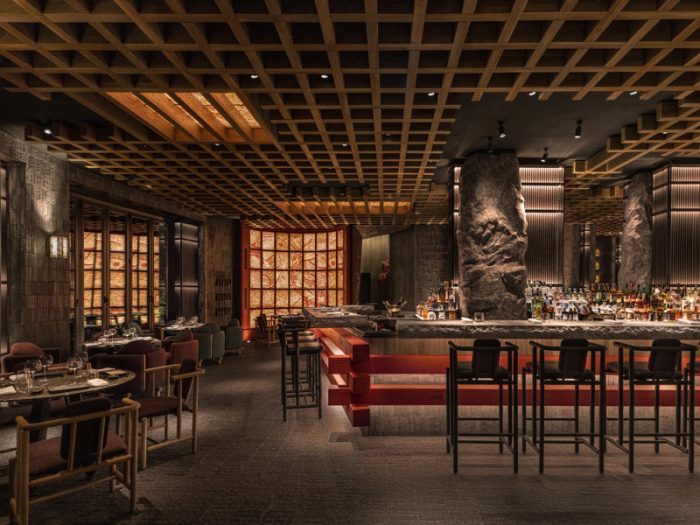
EMRE DORTER / MONK
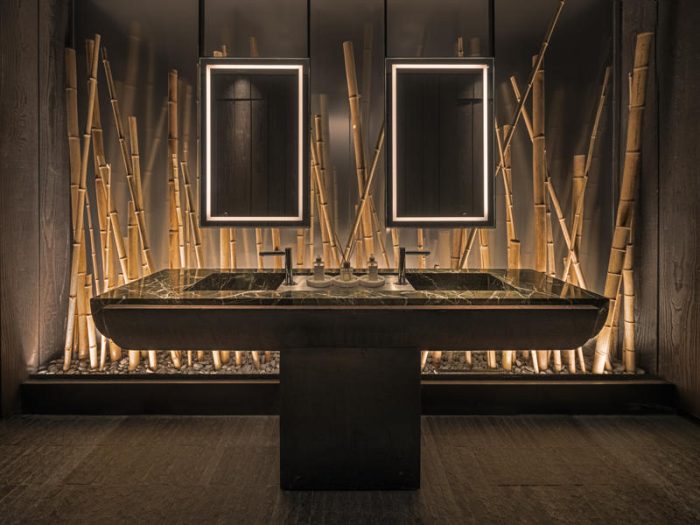
EMRE DORTER / MONK
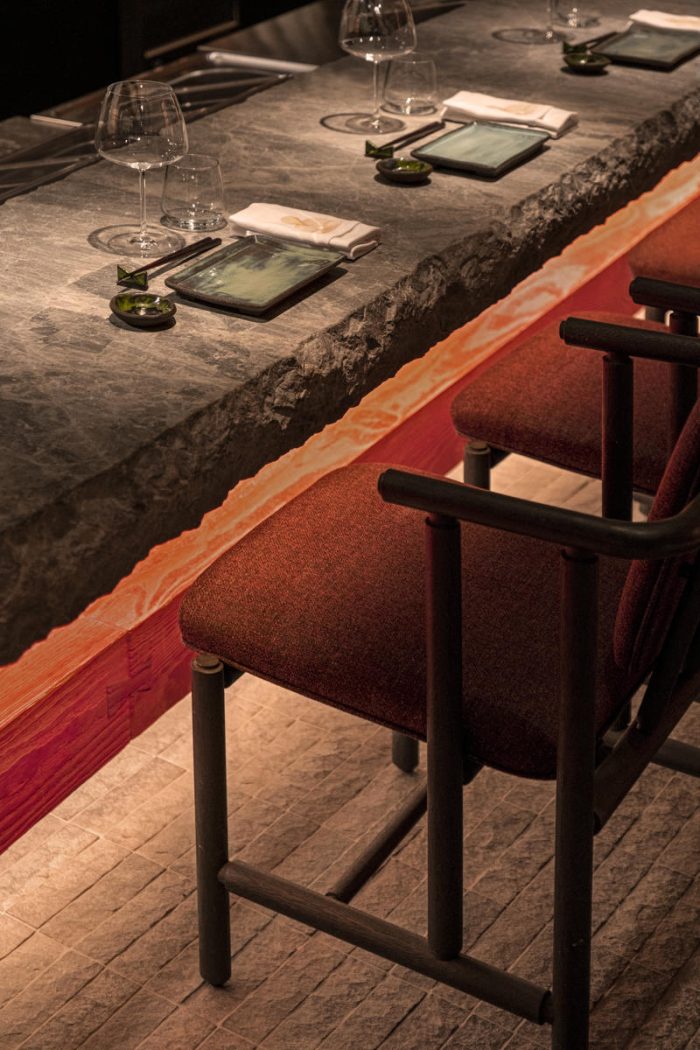
EMRE DORTER / MONK
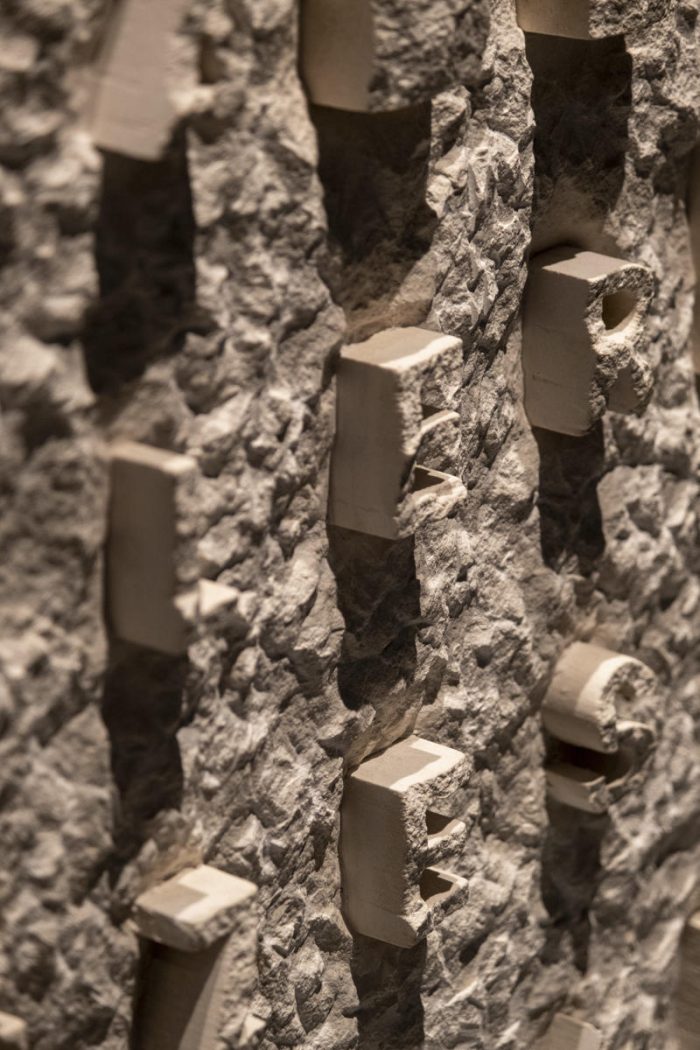
ARA GÜLER MUSEUM
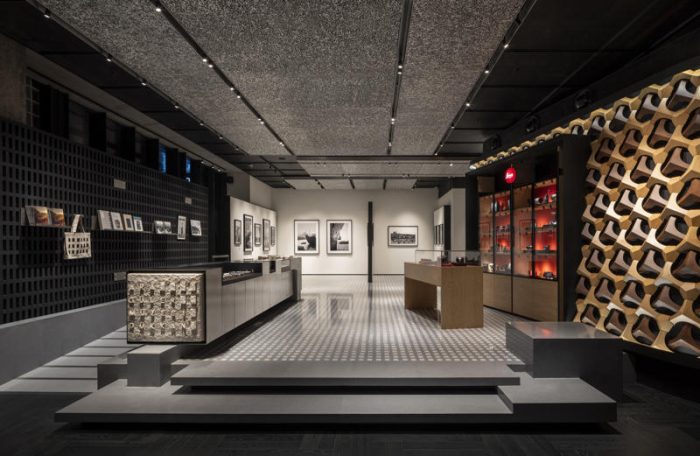
ARA GÜLER MUSEUM
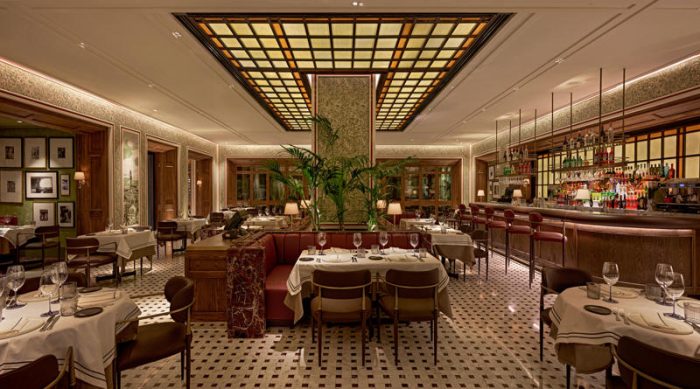
GINA KANYON
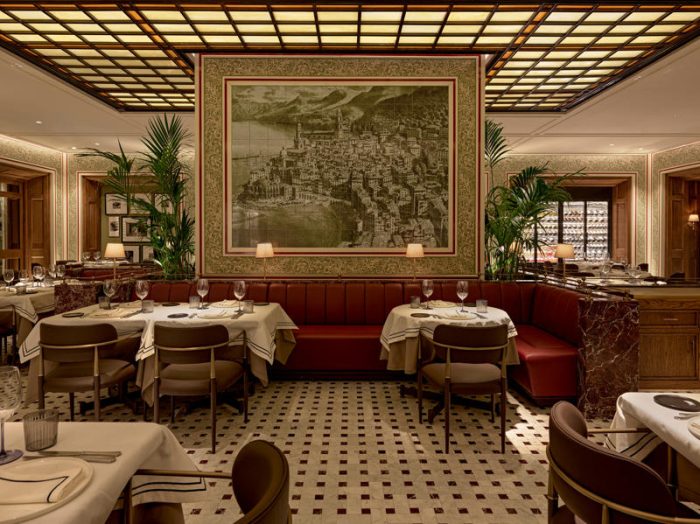
GINA KANYON
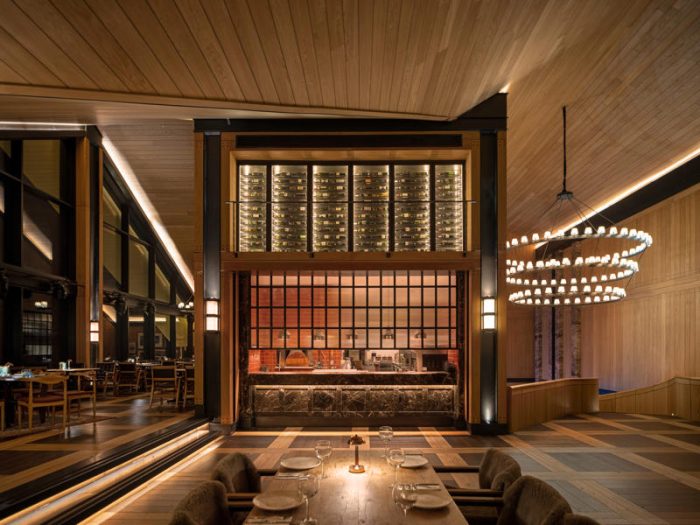
Palazzo Lounge / Kartalkaya
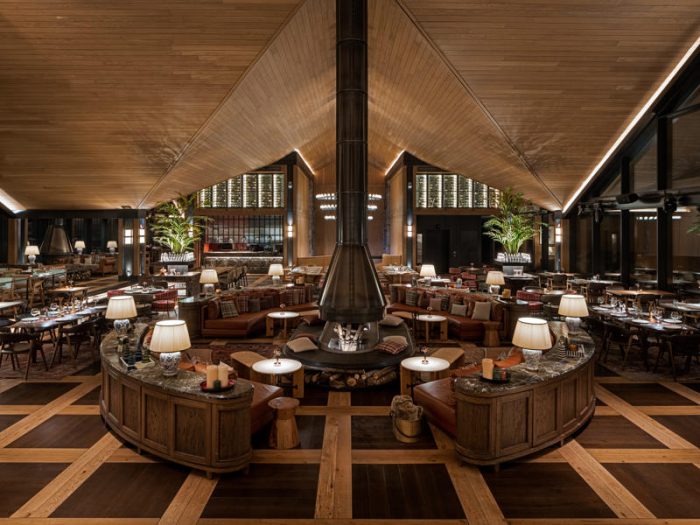
Palazzo Lounge / Kartalkaya
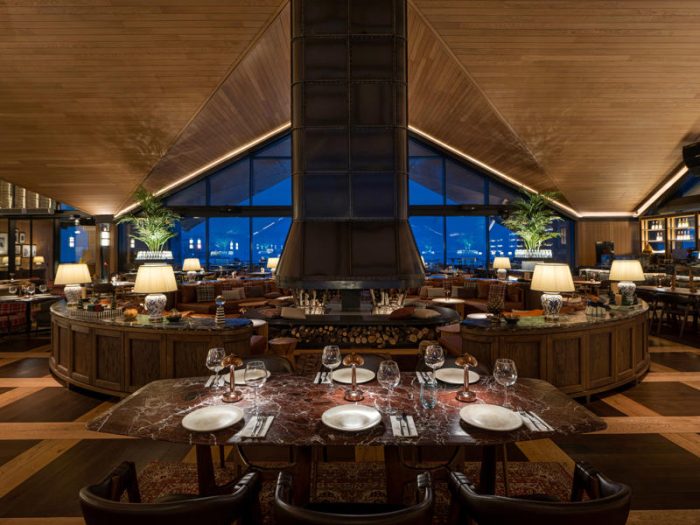
Palazzo Lounge / Kartalkaya
